




|
Sentara Healthcare:
Optima Health Web Site Redesign
Optima Health, a service of Sentara Healthcare, is a leader in health insurance in Virginia; its network currently consists of more than 300,000 members and 6,000 physicians statewide. The Optima Health Web site is both an essential tool for marketing and selling Optima's services, and a key channel for maintaining relationships with its existing members, employer groups, brokers, and provider physicians. Recognizing the importance of staying current in the competitive field of health insurance, Optima enlisted Dynamic Diagrams to improve its site's features and functionality.
The Challenge: Address Users' Role-Based Needs
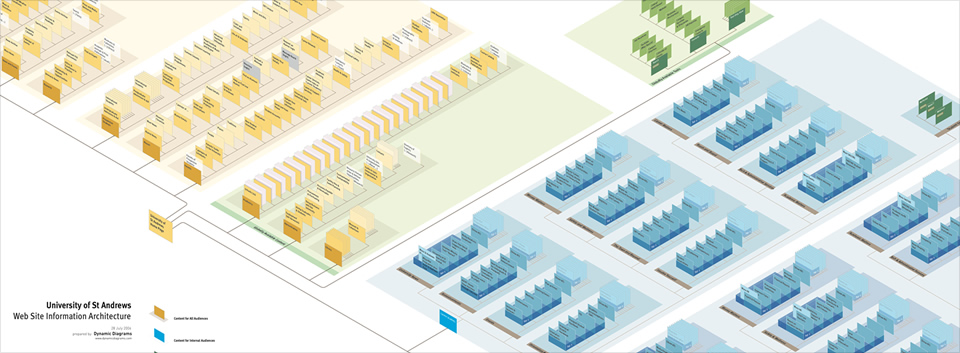
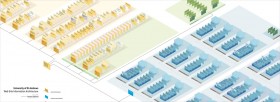
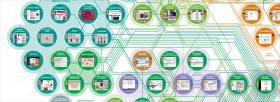
Optima's site contained information of general interest to all constituents, plus features and content that were role-specific and, in some cases, password-protected. However, the distinction between these types of content was unclear, which undermined the organization of the site and led to a confusing user experience. Moreover, Optima had plans to add new tools and content to respond to the changing needs of its network. The distinction between overlapping and separate features (both existing and planned) needed to be made more obvious through a new information architecture and supporting visual design.
Our Solution: Streamline the User's Path to Role-based Content
To better understand what users wanted to accomplish online, we interviewed members of each constituency that used the site health plan members, employers, physicians, and brokers and the Sentara staff who represented their specific interests. We also conducted a usability phase that included one-on-one user testing of the existing site to make note of its strengths and areas for improvement. From this extensive research and analysis, we determined that the site should be tailored as much as possible to particular user types. Our approach was to create a new architecture that enables the user to self-select a role upon entry and, if appropriate, sign in to gain access to personalized content and features. The result is a streamlined path to suitable role-based content, delivering a positive, customized user experience.
Related case studies: Enterprise Portal Planning Diagrams; Sentara.com Web Site Redesign.
|
|